Cupster
Elderberry
RARITYSEpic

Elderberry

Sambucus nigra

The Country Medicine Chest

HEALTH
POTENTIAL

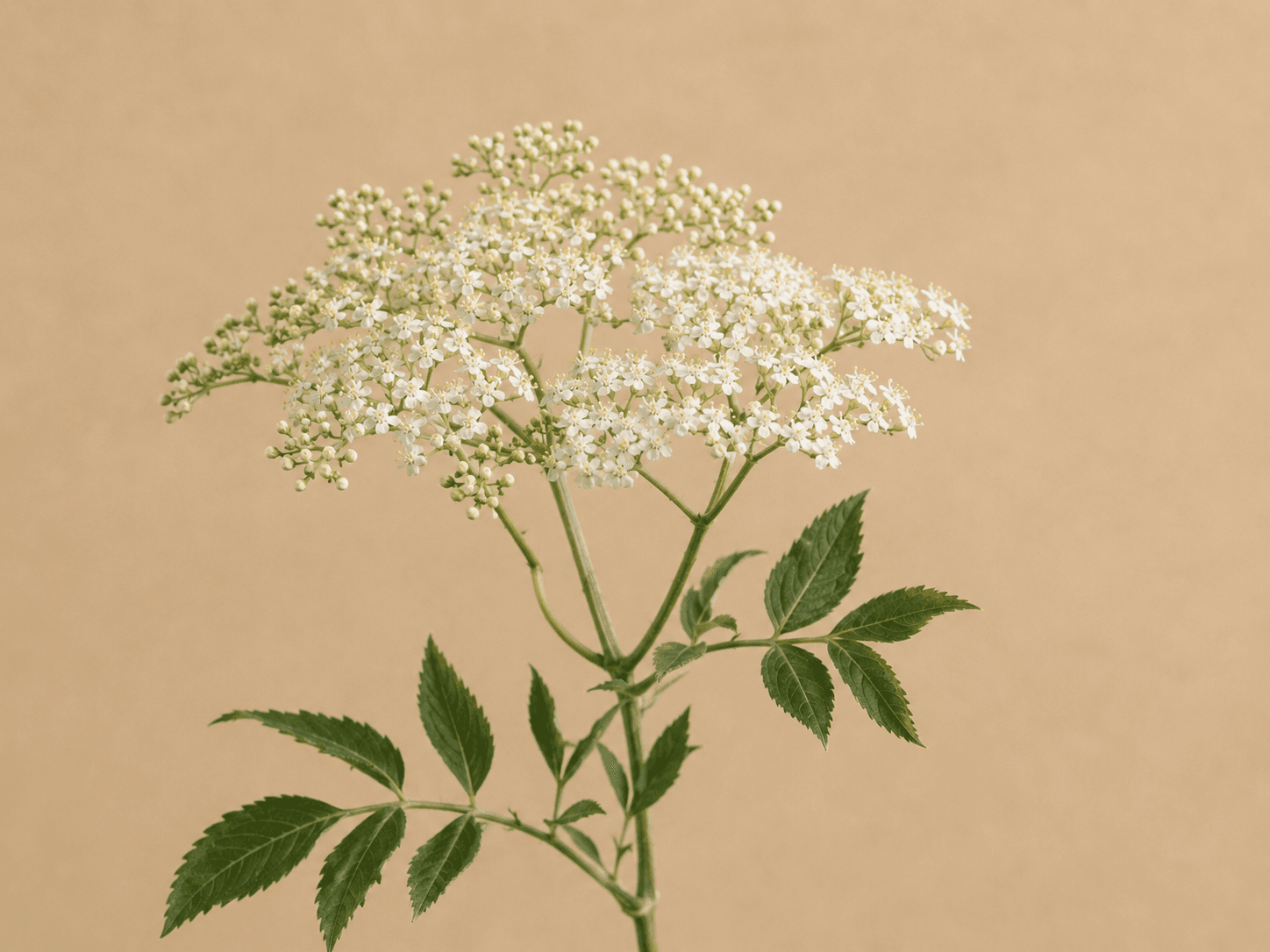
Elder is the tree that gives twice a year. In early summer it is white flowers for cordial. In autumn it is dark berries, cooked, for syrup and wine. It grows almost anywhere, feeds birds and insects, and carries one of the deepest medicine traditions in Europe. The catch is simple. Nothing on the tree is safe raw.

  • Medicinal
  • Nutritional
  • Culinary
  • Ecological
  • Economic

The Rooms

THE GIFTSBody, kitchen, material, living world — what the plant gives.
LAYERSThe biography — past, present, future.
GOLD MINEThe action ladder — free moves to deeper plays.
Cautions
  • Nothing on the elder is safe raw. Leaves, bark, roots, green stalks, and uncooked or unripe berries contain a cyanide-forming compound.
  • Always cook the berries. Raw berries or raw juice cause nausea and vomiting and have put people in hospital. Cooking destroys the toxin.
  • Strip the berries off the green stalks before cooking. The stalks carry more of it.
  • Eat only the flowers and the cooked berries. Not the leaves, not the bark, not the wood.
  • Identify with care. Avoid dwarf elder (Sambucus ebulus), a non-woody plant up to about two metres with a foul smell and berries that point upward instead of hanging down. It is more toxic.
  • Treat a strong daily syrup or extract like a supplement, not like food.